Spring Festival--Edison

The traditional name for the New Year Spring Festival, bumper, new years, but verbally, also known as degree years, celebrate New Year, the Chinese New Year. Spring has specifically refers to the ancient solar terms in the beginning of spring, it is also seen as the beginning of the year, and later changed to the first lunar month of the new year began. Usually at least until the fifteenth day (Lantern Festival) before the end of Chinese New Year, Spring Festival, commonly known as "New Year", is the most ceremonious traditional festival of the Chinese nation. Since the beginning of the Han Dynasty in the beginning year, in summer and year (lunar calendar) the first day the first "(ie" year "), the New Year's date thus fixed, continues to this day. New Year ancient name." After New Year's Day of 1911 "began to use the Gregorian calendar (Gregorian calendar) count years, then known as the Gregorian calendar on January 1, "New Year's Day," said the first lunar month as "Spring Festival."
During the Spring Festival, China's Han ethnic minorities and many have held various activities to celebrate. These activities are designed for worship deities and ancestral shrine, blow away the cobwebs, Fu Ying Hei then pray for a good harvest as the main content. Colorful activities with strong ethnic characteristics.
During the Spring Festival, China's Han ethnic minorities and many have held various activities to celebrate. These activities are designed for worship deities and ancestral shrine, blow away the cobwebs, Fu Ying Hei then pray for a good harvest as the main content. Colorful activities with strong ethnic characteristics.

Festivals, also known as "traditional festival." Their long history, spread wide, with great popularity, mass, and even universal characteristics.
New Year is the day blow away the cobwebs. Although set in the New Year lunar calendar, but New Year's activities but does not end with the first day that day. From the small New Year from 12th month, 23 (or 24), people began to "busy Years": sweep houses, shampoo bath, appliances and so on New Year preparation. All of these activities, there is a common theme, namely "New Year." People with a grand ceremony and warm, welcoming the New Year, welcome spring.
I wish the New Year Festival also pray day. The ancients called a cooked millet as a "year", the grain harvest for the "great years." Western Zhou Dynasty, had emerged to celebrate the annual harvest activities. Later, one of the main contents in heaven pray became vulgar. And, as Vesta, goalkeeper, Wealth, like God, God and other well Zhulu gods during the New Year, are prepared to enjoy human incense. It rewards people take care of the gods past, and pray that the new year to get more bliss. New Year or family reunion, London pro Sizu day. New Year's Eve, the whole family gathered, something to eat, "reunion dinner", elders give children distribute "lucky money", a group of people sit "stay up." Yuan days upon delivery in time, loud firecrackers Qi, the old year, New Year's events amounted to a climax. Various incense Sincerely, King of heaven and earth, offering fathers, followed by New Year to elders, relatives and friends with the family and then exchanged congratulations. Yuan in the future, start visiting friends and relatives, to send each other gifts, to celebrate the New Year. New Year is the public entertainment carnival festival. Mongol later, a variety of colorful entertainment rushed to carry out: a lion, dragon dance, dancing, walking on stilts, juggling various drama, etc., to add a strong New Year festive atmosphere. At this time, when "beginning of spring" before and after the Spring Festival gala to be held in the ancient ritual, cattle whip spring, pray for good weather, good harvest. Various fire agency activities to the fifteenth day, again form a climax.
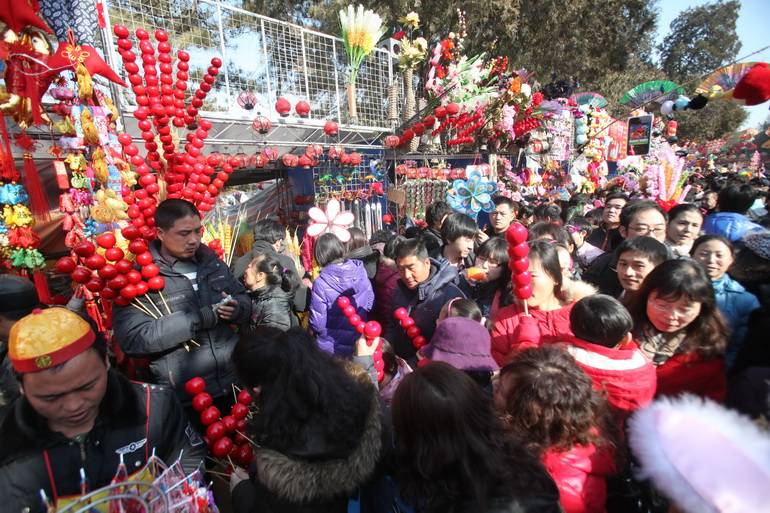
Therefore, it sets pray, celebrate, entertainment New Year festival has become the most solemn festival of the Chinese nation. But today, in addition to other activities than ever Sishen worship is fading, the main New Year's customs, are perfectly able to inherit and development.

interesting. - nikki
回复删除