Chinese New year--Edison
Chinese Lunar New Year of Rosh Hashanah is called the Spring Festival. It is the Chinese people's most ceremonious traditional festival, but also a symbol of unity, prosperity, new hope for the future sustenance of the festival. According to records, the Chinese people for the New Year more than 4,000 years of history. The origin of the Chinese New Year has a lot to say.
Related origins of ancient Chinese New Year's date is not consistent: with Xia Meng of January is the first month, Shang with the twelfth lunar month (December) for the first month. After Qin Shi Huang in October for the first month, the early Han Dynasty followed the Qin calendar. 104 BC (yuan closed six years), by Sima Qian, who proposed that the Han Dynasty ordered the rescheduled calendar. Chinese New Year
Chinese New Year
104 BC, astronomers falling Hong, Deng equal people developed a "calendar was in the beginning", the original beginning of the year to October was the first month to the beginning of the year to Meng, later on this basis gradually improve as we use today lunar calendar (lunar), falling Wing also known as "Spring Festival for the elderly." Since then China has been in use the lunar calendar (lunar calendar, also known as lunar) calendar, until the Qing Dynasty, up to 2080. Chinese New Year in different times have different names. Qin time called the "previous day", "Mongol", "reform years", "offer years" and so on; to the Han Dynasty, and called for the "three dynasties", "year-old Dan," "Zhengdan", "positive day" ; at Weijin called "meta-chen", "Mongol", "head of state", "Year of North Korea" and so on; to the Tang Yuan, Ming, then known as the "New Year", "dollars", "Year of Japan", "new positive "" NZ "and so on; while the Qing Dynasty, has been called the" New Year's Day "or" Mongol. "
Modern folk accustomed to the Spring Festival is also called the Spring Festival. In fact, the origin of and the Spring Festival is very different.
Chinese New Year
Chinese New Year
Then the "Year" is exactly how to come? There are two main folk saying: one says that in ancient times, there is something called "Year" ferocious monster, every twelfth lunar month thirty, they flee the village house to house, feeding human flesh and injure the creatures. There is a twelfth lunar month thirty at night, "year" to a village boy in the game coincides with two cattle whip. "Years" when suddenly the air pops the whip sound sounded scared Wangfengertao. It went to another village, and beheld the head-piece red dress basking in a door, which I do not know what that is, scared and quickly turn around to escape. Later, he came to a village, toward a house where people look, I saw inside the brightly lit, stabbed it dizziness, had no choice but to turn tail slip. It thus Mozhun "year" have fear response, fear of red, sensitive to light weaknesses, I know many resist its methods, such as firecrackers, then gradually evolved into today's New Year customs.
Another argument is that China's ancient books of the word "year" word put radical 115 to show weather and abundant harvests. Due to a cooked cereal grain is generally one year. The "year" will be extended to the age of the name of.
Food of festival
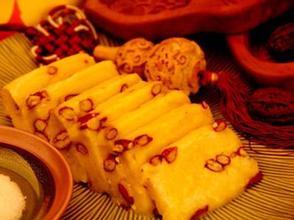
Spring Festival to eat rice cakes, "meaning take years to win, the membership to pray years Nim." Meaning good luck mid-high. Types of cakes are: Northern white cake Tuo, yellow rice cakes; Jiangnan have Shuimo cakes; glutinous Baba southwest; Taiwan red turtle cake Ming and Qing, the cake has become a year-round supply of snacks available in the market. and there are other flavors of the north and south. Northern cakes steamed, fried two kinds, in addition to the South cakes steamed, fried, there are pieces fry, soup cook all phenomena.
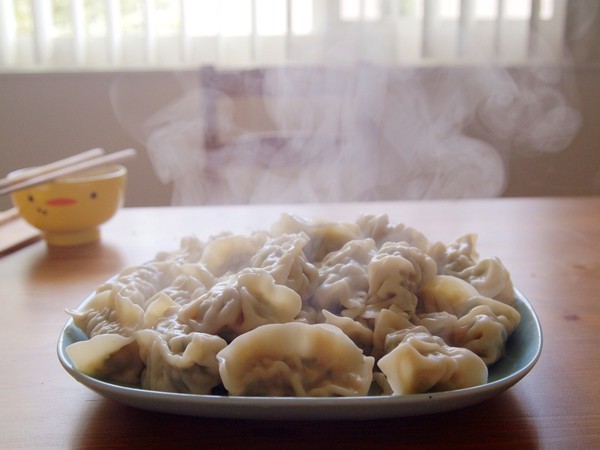
Northern New Year's tradition to eat dumplings, but the custom of eating dumplings is not the same all over, some local New Year's Eve to eat dumplings, dumplings started in some places, some northern mountainous areas also started to eat dumplings every morning, the fifth day customs. Dumplings is a unique way to express the desire of people to pray for Kyrgyzstan on the occasion of New Year. According to China's law in mind when ancient, 23:00 the next day 1:00 to midnight. "Jiaozi" that intersect in the New Year with the old time. Dumplings means more years to pay child, the New Year eating dumplings is considered good luck. Also dumplings shaped like a gold ingot, dumplings wrapped fortune means, eat dumplings symbolize life prosperity.
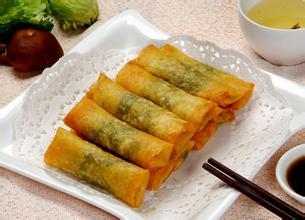
Spring rolls, also called Chunbing, the beginning of spring to eat Chunbing is an ancient Chinese custom. Jin Dynasty has "five taro dish" or "spring plate", is fajitas with vegetables in a pan of the same set. Tang and Song Dynasties beginning of spring eat Chunbing burgeoning wind, and the emperor's Grace Elegance Baiguan, when the spring plate is extremely particular about: "Cuilv their names, Rooster Yuyan, do very sophisticated, each plate straight Wan money." Chunbing development today, anywhere shape varies, due to the consumption of time and do not. There are poker, there are steaming; or as big as a fan, or as small as Eredivisie

nice .. - nikki
回复删除